
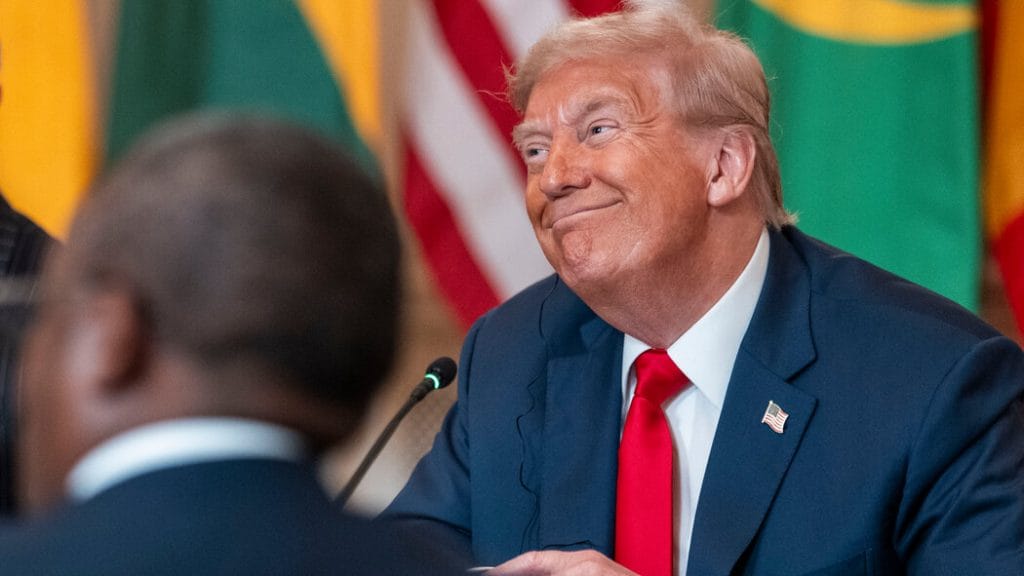
The United States is facing a major diplomatic restructuring in Africa after President Donald Trump recalled more than a dozen ambassadors from sub-Saharan African countries, leaving Washington without top-level diplomatic representation in over half of the region.
The decision comes as the Trump administration places stronger emphasis on business-driven diplomacy, trade partnerships and political mediation, rather than traditional aid-heavy engagement. Since returning to office, Trump has positioned the U.S. as an alternative partner to China, actively pursuing peace initiatives and rare-earth agreements, while encouraging African governments to deepen economic cooperation with Washington.
However, the withdrawal of ambassadors has led to concerns about operational gaps at U.S. embassies and at the State Department’s Africa Bureau, which has also been dealing with staffing shortages. Analysts and former U.S. diplomats say prolonged vacancies could slow diplomatic coordination, security cooperation and follow-up on agreements reached at senior political levels.
It remains unclear when replacements will be appointed or whether the recalled ambassadors will return to service elsewhere. A State Department spokesperson did not provide details regarding the timeline for new nominations.
Despite questions about continuity, U.S. officials highlight that the administration remains active in African diplomacy. Senior presidential adviser Massad Boulos has led mediation efforts between the Democratic Republic of Congo and Rwanda, and Washington continues to engage on regional conflicts, humanitarian challenges and economic partnerships.
The Africa Bureau is also undergoing leadership transition after the retirement of senior officials, with Deputy Assistant Secretary Nick Checker expected to assume acting leadership responsibilities until a Senate-confirmed Assistant Secretary is appointed.
U.S. officials insist that the country’s diplomatic commitment to Africa remains strong. “The administration continues to pursue commercial, security and diplomatic partnerships across the continent,” a State Department spokesperson said, stressing that ongoing projects and agreements remain in place despite staffing adjustments