
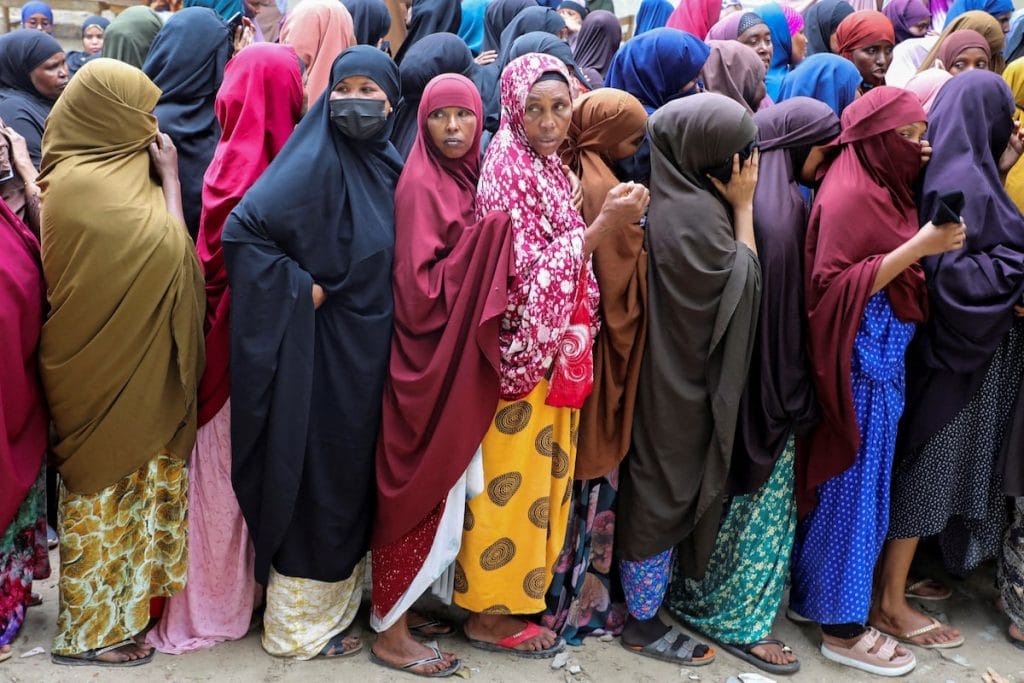
Residents of Somalia’s capital Mogadishu are voting Thursday in municipal elections seen as a key step toward restoring universal suffrage and paving the way for the country’s first direct national elections in more than 50 years.
Somalia last held nationwide direct elections in 1969, months before Mohamed Siad Barre seized power in a military coup. Following decades of conflict and state collapse after 1991, Somalia adopted an indirect electoral system in 2004, under which clan representatives select lawmakers who then choose the president. The president has also been responsible for appointing the mayor of Mogadishu.
Authorities say the Mogadishu polls mark an important test for broader national elections planned under a 2024 law restoring universal suffrage. Somalia is expected to hold direct parliamentary elections in 2026, although the president would continue to be elected by parliament under a political agreement reached in August.
Around 1,605 candidates are contesting 390 district council seats, according to the National Electoral Commission. Elected council members will then select the capital’s mayor.
“It shows Somalia is standing on its feet and moving forward,” said Abdishakur Abib Hayir, a member of the commission, expressing hope that the process will eventually extend nationwide.
The vote comes as Mogadishu has experienced relative security improvements in recent years, despite continuing threats from the al-Shabaab group and concerns from opposition parties who argue that security and political conditions remain challenging for mass voting in parts of the country.
Somali authorities and international partners view the elections as a milestone toward strengthening democratic governance and state institutions after decades of instability.