

Members of the House of People’s Representatives pressed the foreign ministry over the future of Ethiopia’s memorandum of understanding with Somaliland, an agreement signed two years ago that envisioned granting Ethiopia access to the Red Sea, including potential military and commercial facilities on Somaliland’s coast. Somaliland President Muse Bihi Abdi has repeatedly claimed that the deal included a path toward Ethiopian recognition of Somaliland’s independence.
The plan triggered strong opposition from Somalia, which condemned the memorandum as a violation of its sovereignty and appealed to regional and international partners. Tensions later eased after Somalia and Ethiopia agreed to pursue dialogue under mediation led by Türkiye, and practical steps toward recognition appeared to stall.
Parliamentarians referenced Israel’s recent decision to recognise Somaliland and questioned whether Addis Ababa would follow, with one MP remarking that Ethiopia risked being “second” in acknowledging the territory.
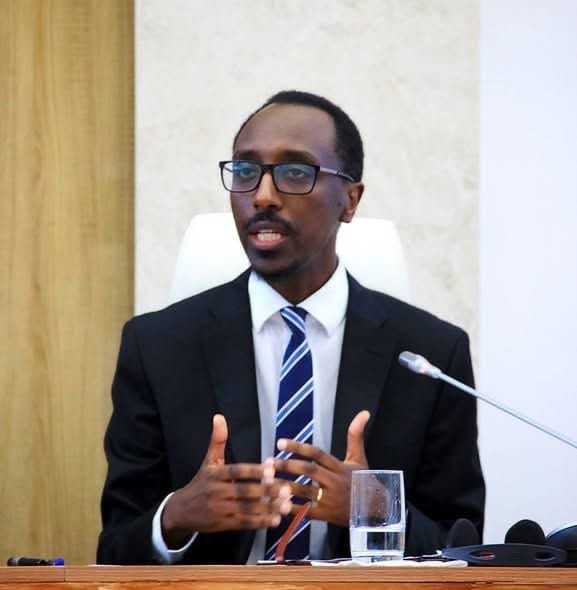
However, Gedion avoided addressing the recognition issue directly. He instead emphasised Ethiopia’s ongoing relations with neighbouring states and framed Red Sea access as a long-term strategic objective. Ethiopia, he said, lost its coastline through a historical process that required careful and sustained policy efforts to reverse. He added that discussion within Ethiopia had now shifted from whether access is needed to how it should be achieved.
While the government insists that maritime access remains a national priority, officials offered no indication that Ethiopia intends to revive immediate steps toward recognising Somaliland. For now, the issue remains politically sensitive both domestically and across the Horn of Africa, particularly as regional players continue to react to Israel’s move.