
Guinea has closed its borders and imposed sweeping movement restrictions as citizens head to the polls in the country’s first presidential election since the 2021 military coup.
A decree from the Ministry of Territorial Administration announced that all land and sea borders would remain closed for 24 hours on election day, while airspace would be suspended for most of Sunday. Authorities said the measures aim to safeguard voters, polling officials, candidates, and election materials.
Between 6 a.m. and 6 p.m., public gatherings near polling centers are banned, along with the carrying of weapons, including legally registered firearms. Nationwide vehicle movement — covering cars and motorcycles — is also prohibited, with exemptions for security services, electoral staff, accredited observers, ambulances, and emergency responders. Special permits may be issued in exceptional cases.
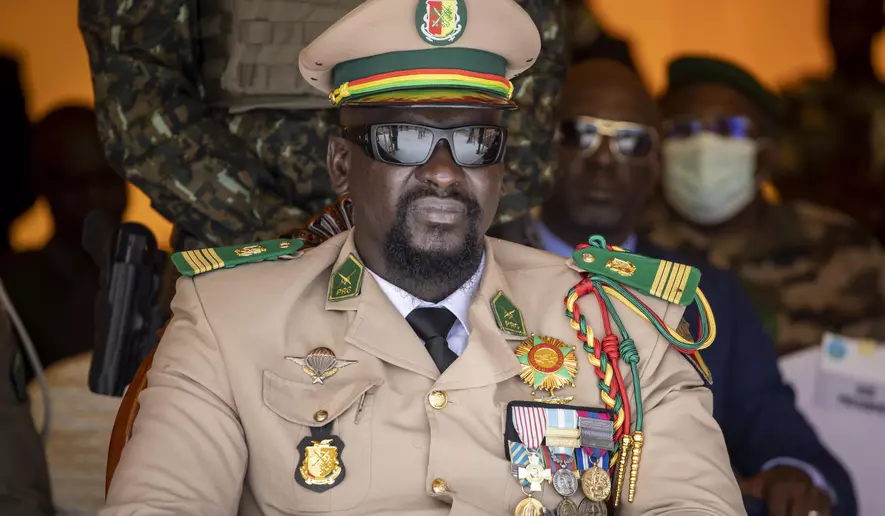
More than 6.7 million registered voters are expected to participate, choosing among nine candidates, including transitional leader Gen. Mamady Doumbouya. The vote is being billed as a milestone toward ending four years of military-led transition following the overthrow of President Alpha Condé.
However, the electoral environment has drawn criticism. Some prominent opposition figures remain in exile or barred from participating, raising concerns over inclusiveness and fairness. Supporters of the transitional authorities argue the election offers the best chance for restoring constitutional order.
Regional and international observer missions from the African Union and ECOWAS are monitoring the vote, with preliminary assessments anticipated in the coming days. Security forces and local administrations have been instructed to strictly enforce election-day regulations, with penalties announced for violations.
The election will determine whether Guinea turns the page on its turbulent political transition or faces renewed tensions as results emerge.