
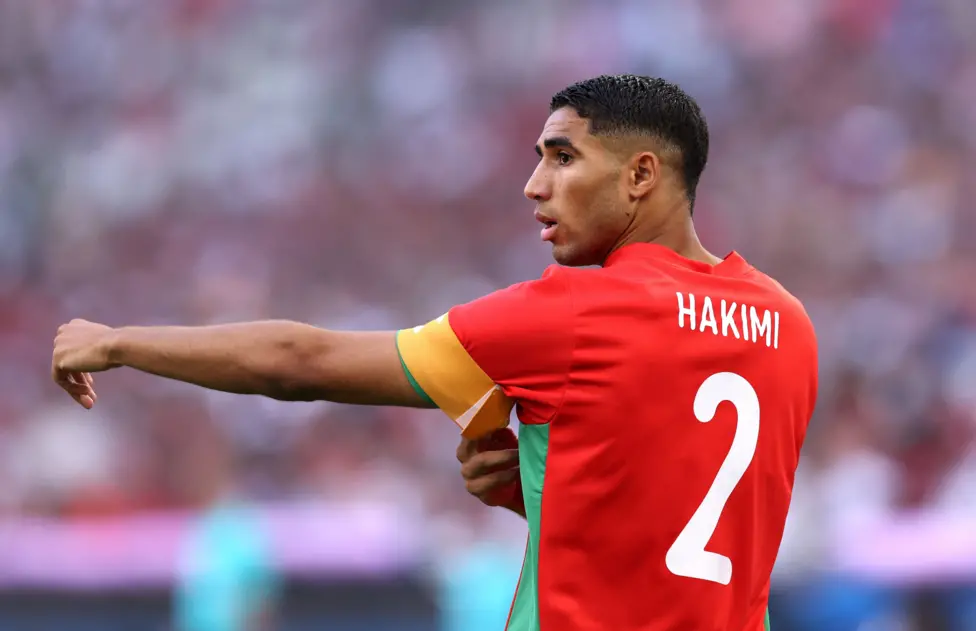
As Morocco prepares to welcome Africa to the 2025 Africa Cup of Nations, the hosts are entering the tournament with expectations unlike any other nation on the continent. Nearly five decades have passed since the Atlas Lions last lifted the coveted trophy in 1976, and many in the country believe this tournament could finally mark the end of that long wait.
Morocco arrives not only with a talented squad but also with a decade-long national football project shaped by massive investment, strategic planning and a clear ambition: to become Africa’s dominant football nation.
A Generation Built to Win
Morocco’s current football identity was reshaped following historic milestones, including the men’s national team’s run to the semi-finals of the 2022 FIFA World Cup — a first for any African nation. The momentum continued at youth and developmental levels, with Moroccan teams collecting regional and international successes in recent years.
For many Moroccan players, returning home to compete for AFCON glory carries emotional weight. Competing on home soil, in front of passionate fans, has fueled belief that 2025 presents a rare opportunity that must not slip away.
Infrastructure: Morocco’s Biggest Advantage
Behind Morocco’s rise is one of Africa’s most advanced football development systems. Facilities such as the Mohammed VI Football Academy and the state-of-the-art national training complex near Rabat serve as the backbone of a carefully structured talent pipeline. These institutions combine elite training, modern sports science and education, helping develop both local players and national team stars.
Analysts say Morocco’s success is not accidental. It reflects a long-term national strategy backed strongly at governmental level, positioning football as both a sporting and socio-economic development tool.
High Expectations — and Pressure
With success has come expectation. Moroccan supporters see AFCON 2025 as more than a tournament — it is viewed as a symbolic mission. Winning would validate years of planning, investment and ambition. Failure, however, would be deeply disappointing for a football-obsessed nation that believes its golden era has arrived.
At the same time, Morocco’s continued investment in stadiums and major sporting projects ahead of co-hosting the 2030 World Cup has generated debate among sections of the population who want equal focus on social services. Yet many still believe football unity, tourism gains and international visibility bring long-term national benefits.
Women’s Football Rising Too
Morocco’s football transformation is not limited to men’s competitions. The women’s national team has made remarkable progress in recent years, competing strongly at continental level and inspiring more girls to take up the sport — a development that was intentionally included in Morocco’s football vision.
A Defining Tournament Ahead
Whether AFCON 2025 becomes Morocco’s defining football moment will depend on performance on the pitch. But even before the first whistle, one fact is clear: Morocco has worked meticulously to build one of the strongest football structures in Africa. Now the nation’s dream is to crown that journey with continental glory, at home, in front of its own people.
AFCON 2025 may therefore be remembered not only as a football tournament, but as a test of vision, preparation and national ambition.