
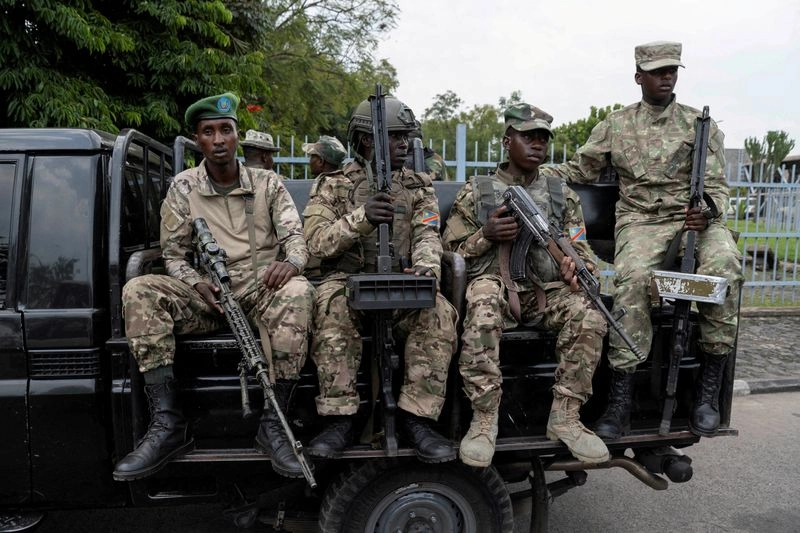
According to the UN humanitarian coordinator, the clashes between Congolese government forces and M23 rebels took place between Dec. 2 and Dec. 7, involving heavy weapons and shelling in populated areas.
The violence affected several territories in South Kivu province, including Uvira, Walungu, Mwenga, Shabunda, Kabare, Fizi and Kalehe, and has forced the displacement of more than 200,000 people since Dec. 2. Thousands of others have fled into neighboring Burundi and Rwanda.
The latest crisis hit a region already hosting around 1.2 million internally displaced persons, according to the UN.
UN humanitarian coordinator Bruno Lemarquis expressed deep concern over the impact on civilians, calling for the immediate protection of non-combatants.
“It is imperative to prevent further casualties from being added to the already tragic toll… Civilians and civilian infrastructure are not targets,” Lemarquis said.
The fighting has disrupted medical evacuations and restricted access for humanitarian workers. The UN urged all parties to respect international humanitarian law and allow safe, rapid and unhindered humanitarian access.
The escalation comes despite a “historic” peace and economic agreement signed on Dec. 4 in Washington by Congolese President Félix Tshisekedi and Rwandan President Paul Kagame, following earlier mediation efforts by the United States.
Tshisekedi has since accused Rwanda of violating the deal, allegations Kigali denies.
Violence in eastern Congo has persisted for decades, with the most recent phase of fighting reigniting in 2021, when the M23 rebel group resurfaced and launched a new offensive against government forces.