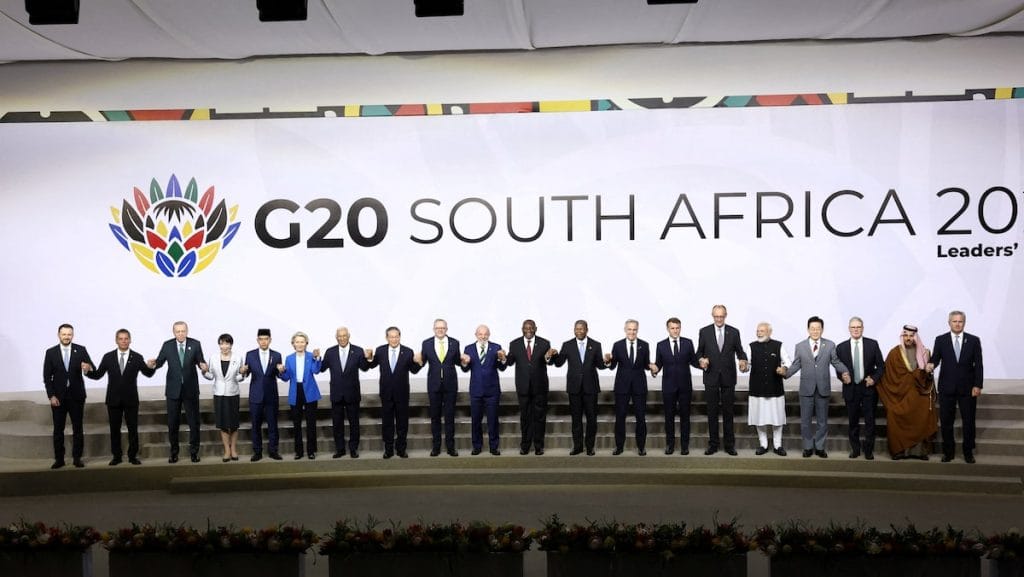
South Africa, the first African nation to chair the G20, said the text reflected months of negotiations and broad alignment among member states. Presidential spokesperson Vincent Magwenya told reporters the declaration “cannot be renegotiated,” noting there was “overwhelming consensus” throughout the year.
Washington accused Pretoria of using its G20 presidency for political ends and criticised the adoption of a declaration drafted without U.S. participation. The White House said President Donald Trump’s administration had objected to several provisions and would seek to “restore legitimacy” when it assumes the rotating presidency next year.
Argentina later withdrew from the final endorsement, citing concerns over the wording related to geopolitical issues, though it affirmed its continued commitment to the G20 platform.
The declaration includes references to the urgent threat posed by climate change, calls for increased renewable energy targets and highlights the strain that rising debt servicing places on low-income countries — issues championed by African states throughout the summit.
Opening the meeting, President Cyril Ramaphosa urged leaders to ensure that Africa’s first G20 presidency strengthens global cooperation rather than division. “We should not allow anything to diminish the value and impact of this moment,” he said.
South Africa rejected a U.S. proposal to send a lower-ranking diplomat for the ceremonial handover, saying it would breach established protocol. Foreign Minister Ronald Lamola stressed that all G20 members are equal and that decisions should reflect collective priorities.
The summit convened amid growing geopolitical tensions and heightened expectations that the G20 will play a stronger role in supporting developing economies, addressing climate impacts and reforming global governance structures.
Provisional handover arrangements and follow-up engagements are expected in the coming weeks.