
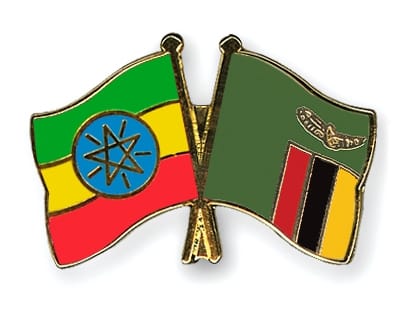
Zambia and Ethiopia have partnered to jointly design and implement secure, inclusive, and interoperable digital identity systems.
The agreement, signed in Addis Ababa by Zambia’s Ministry of Home Affairs and Internal Security, the Smart Zambia Institute, and Ethiopia’s National ID Program (NIDP), aims to develop national digital identity systems through technical collaboration, knowledge sharing, and innovation.
Both countries seek to provide their citizens with safer and more convenient access to digital services, addressing the lack of trusted digital identity systems that ensure secure and seamless service delivery.
For Zambia, this marks a crucial step toward consolidating fragmented government systems and enabling all citizens to fully participate in the digital economy.
Under this partnership, Zambia’s progress in digital payments and e-government services complements Ethiopia’s leadership in foundational ID systems, creating strong potential for mutual growth and innovation.
This collaboration also supports the goals of Agenda 2063, the African Union’s vision of a digitally integrated and connected continent.
By working together, Zambia and Ethiopia are strengthening their positions as pioneers in regional digital cooperation—serving as a model for mutual learning and collective capacity building in digital public infrastructure (DPI).