
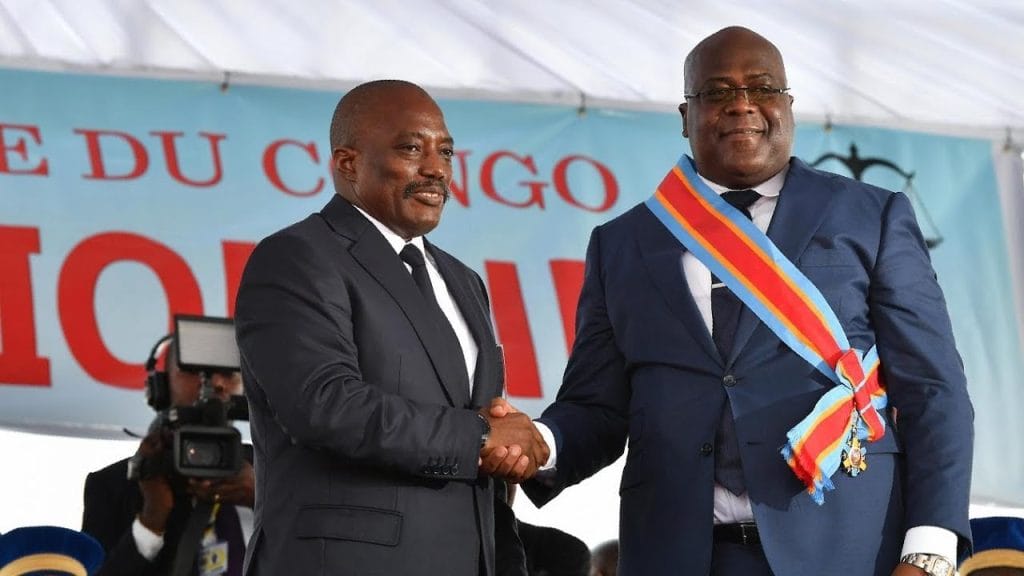
A military tribunal in the Democratic Republic of the Congo (DRC) has handed down a death sentence in absentia to former President Joseph Kabila, convicting him of multiple serious crimes including treason, murder, torture, and crimes against humanity.
The verdict was delivered on Tuesday by Lieutenant General Joseph Mutombo Katalayi, the head of the military tribunal, who stated that the court applied the most severe punishment available under the country’s Military Penal Code.
“In applying Article 7 of the Military Penal Code, the tribunal imposes a single sentence — the death penalty,” Katalayi declared in court.
Charges Linked to M23 Rebel Offensive
Kabila, who ruled the DRC between 2001 and 2019, has been on trial in absentia since July for allegedly supporting the Rwanda-backed M23 rebel group. The insurgents seized large parts of eastern DRC earlier this year, intensifying a conflict that has already displaced hundreds of thousands of people.
International investigators have previously accused Rwanda’s army of playing a “critical role” in the M23 offensive, though Kigali has consistently denied the allegations.
Kabila left the country in 2023 but was seen in May visiting Goma — a city currently under rebel control — raising political tensions in Kinshasa. He has repeatedly dismissed the charges as politically motivated, accusing the courts of being used as “instruments of oppression.”
Arrest Seen as Unlikely
Despite the severity of the sentence, Kabila’s arrest remains improbable. His exact whereabouts are unknown, and he was neither present at the trial nor represented by legal counsel.
An appeal to the Court of Cassation is possible but limited to procedural complaints rather than a full review of the case. Analysts say the ruling is as much political as legal, aiming to weaken Kabila’s ability to rally opposition forces against President Félix Tshisekedi.
“Kabila has long been a thorn in Tshisekedi’s side,” said Yinka Adegoke, Africa editor at Semafor. “This verdict could deepen divisions, as his supporters may see the trial as entirely political.”
Historic Ruling Amid Tense Political Climate
The court’s decision follows a May vote by the Congolese Senate to strip Kabila of presidential immunity, and the country’s lifting of a moratorium on the death penalty last year. Though executions remain rare, the ruling marks a significant escalation in the government’s legal pursuit of the former leader.
Military prosecutors accused Kabila of conspiring to overthrow Tshisekedi and of backing armed groups responsible for atrocities in the east. The charges include homicide, rape, and torture, tied to violence attributed to the M23 movement.
The sentencing comes just months after a U.S.-brokered peace deal between Rwanda and the DRC and a subsequent declaration of ceasefire with M23. Despite these diplomatic moves, violence has continued in eastern Congo, where humanitarian groups have documented massacres, mass displacement, and sexual violence against civilians.